First World Public Summit: The Arab World, with More Than 1,500 Participants from 54 Countries, has Summed Up
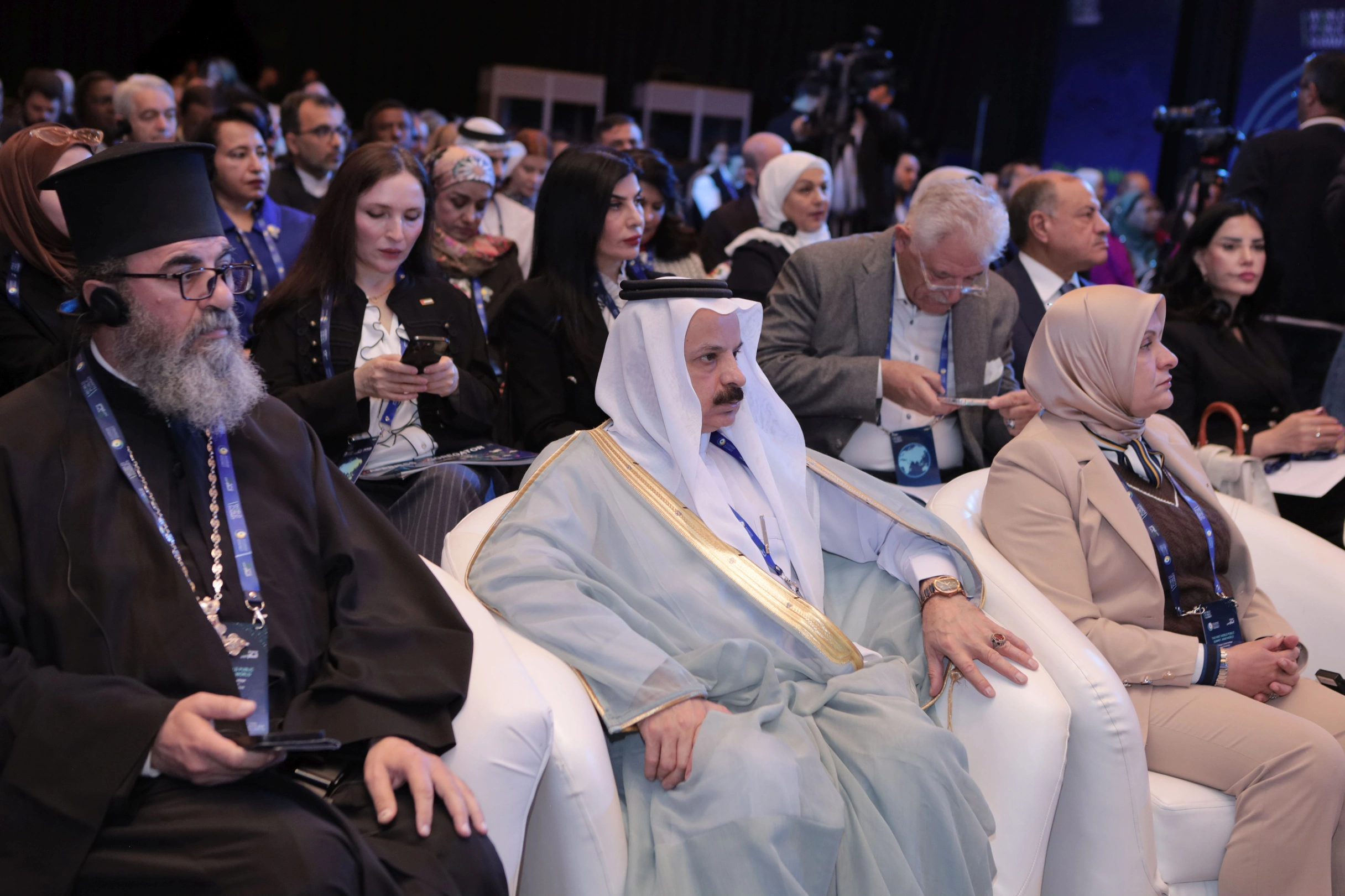
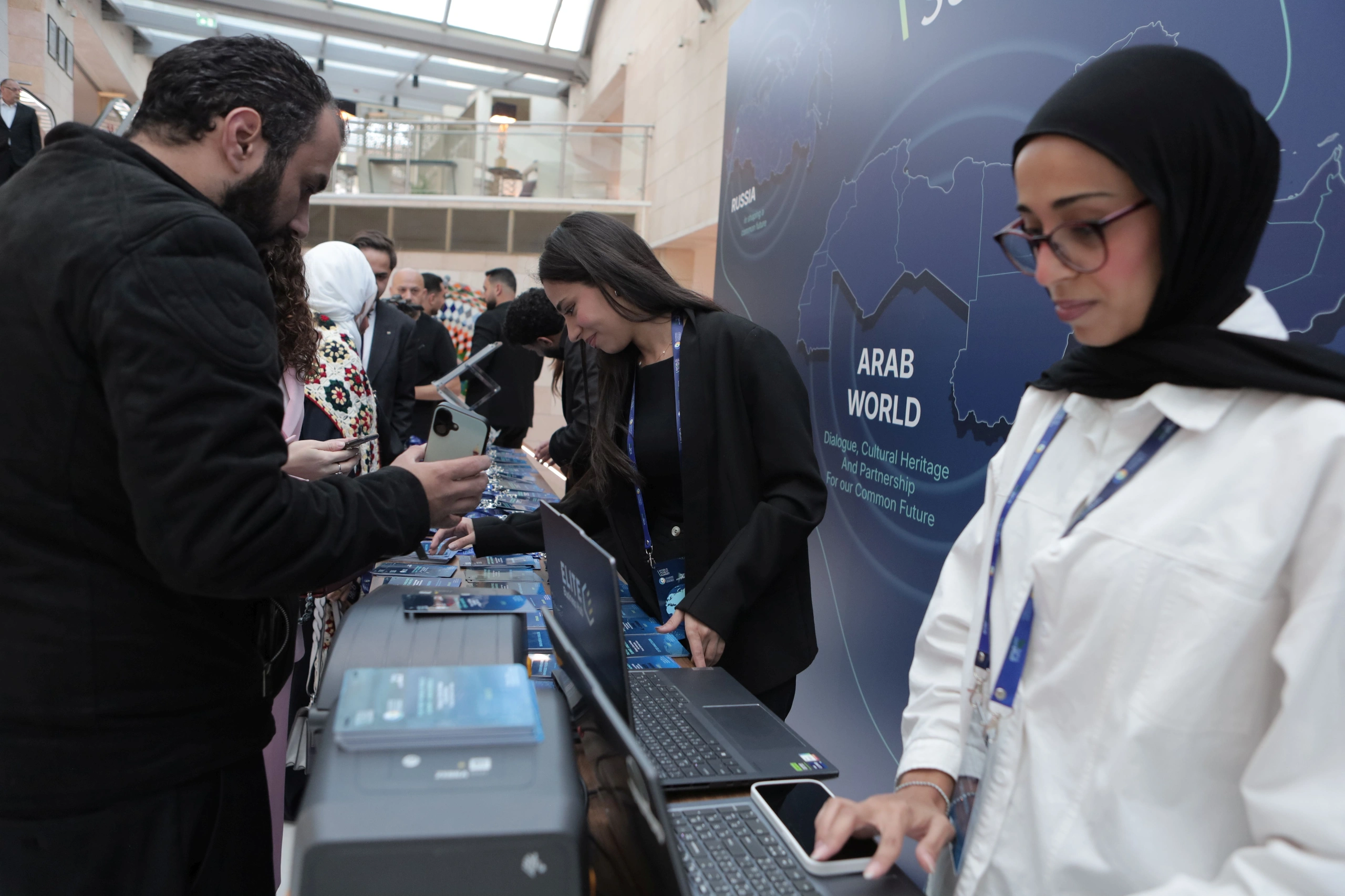
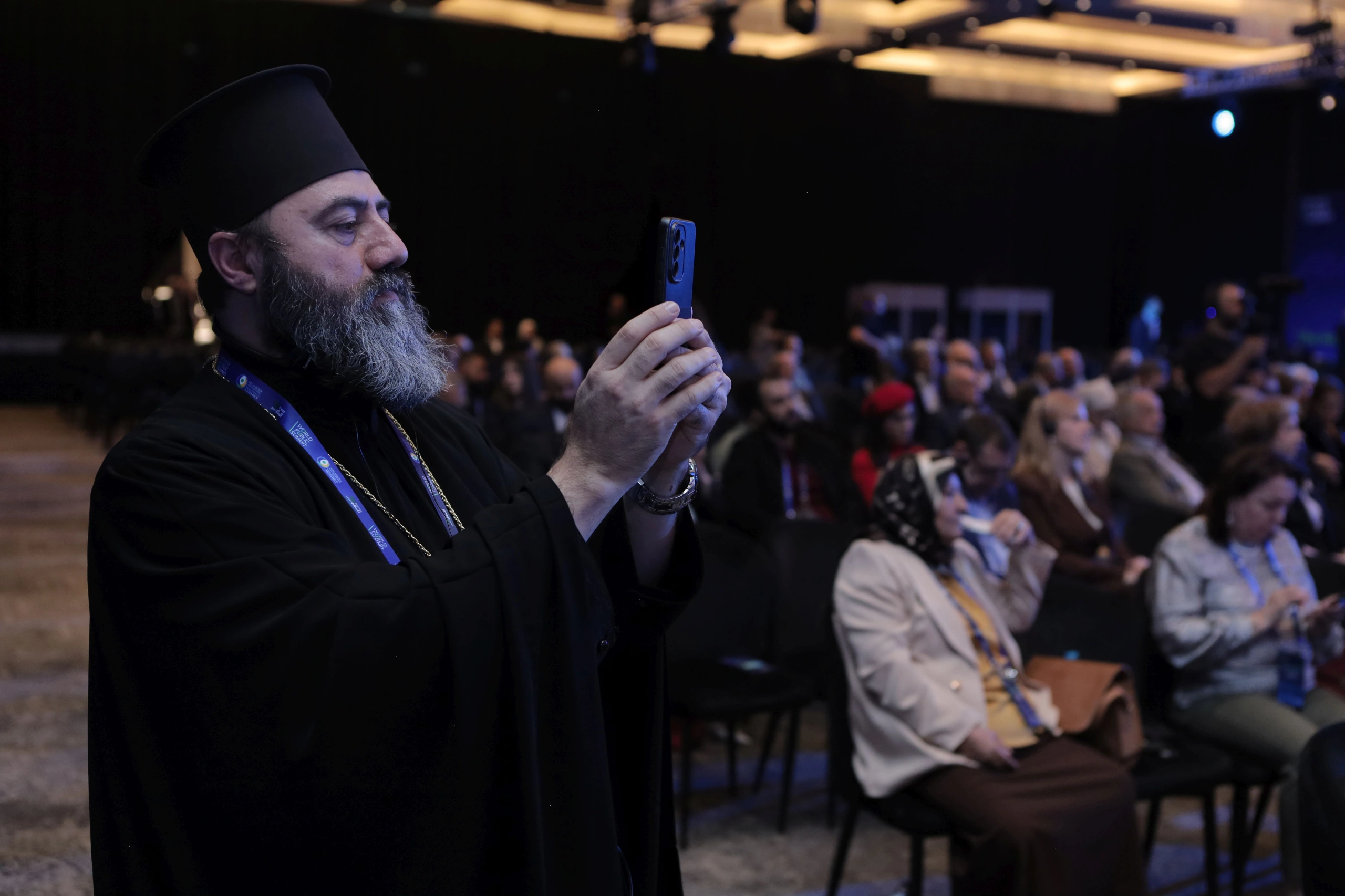
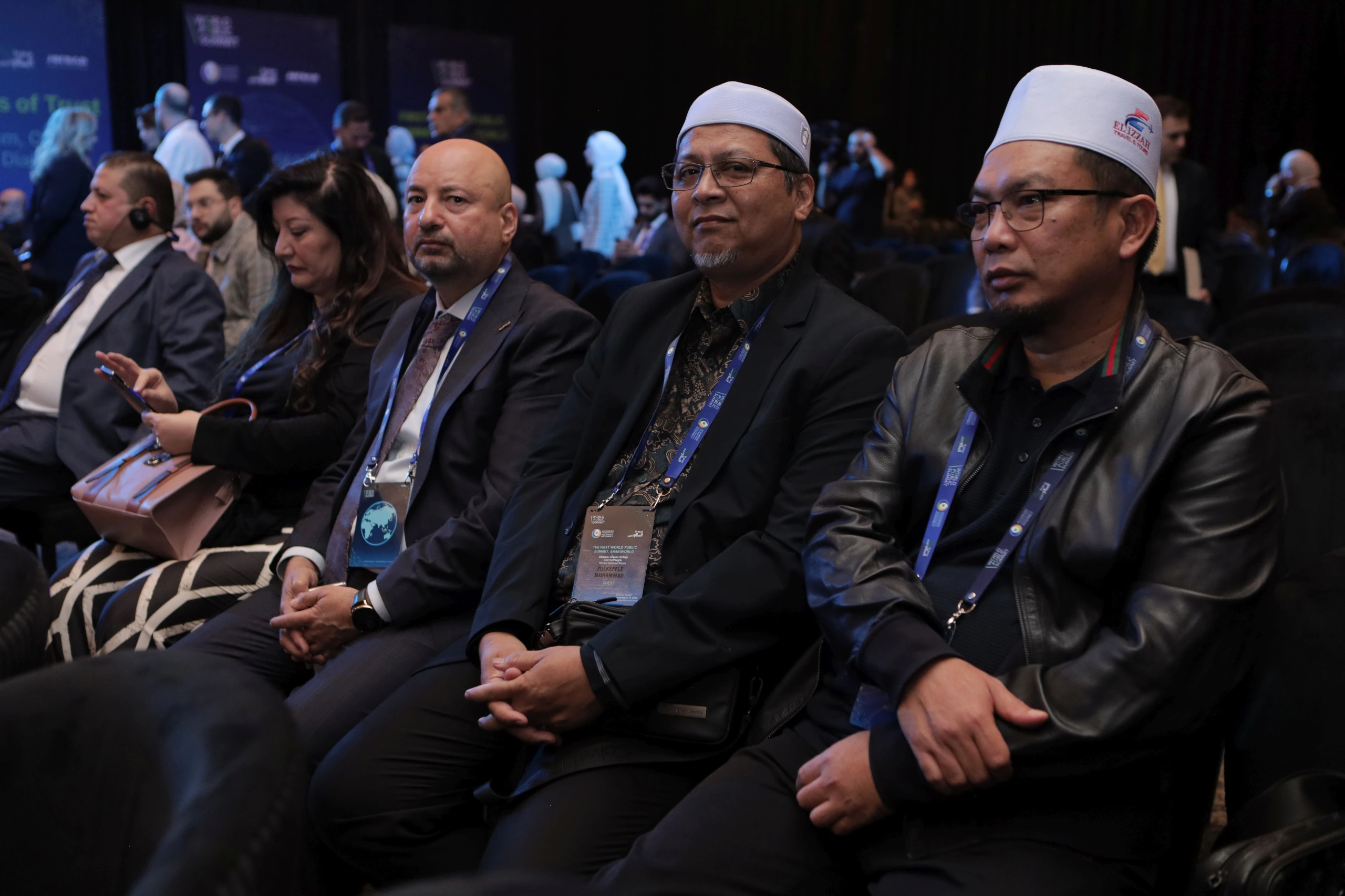
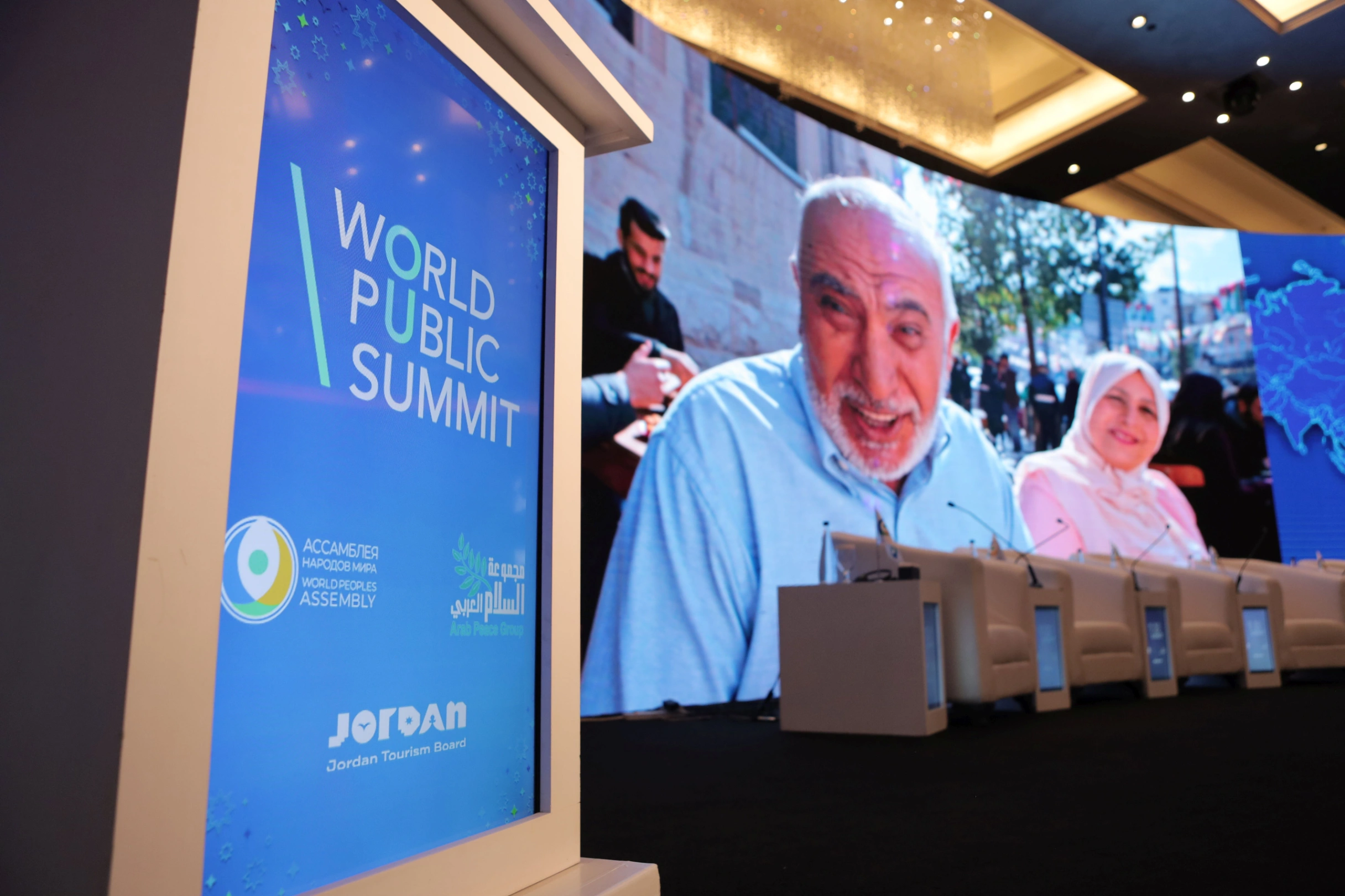
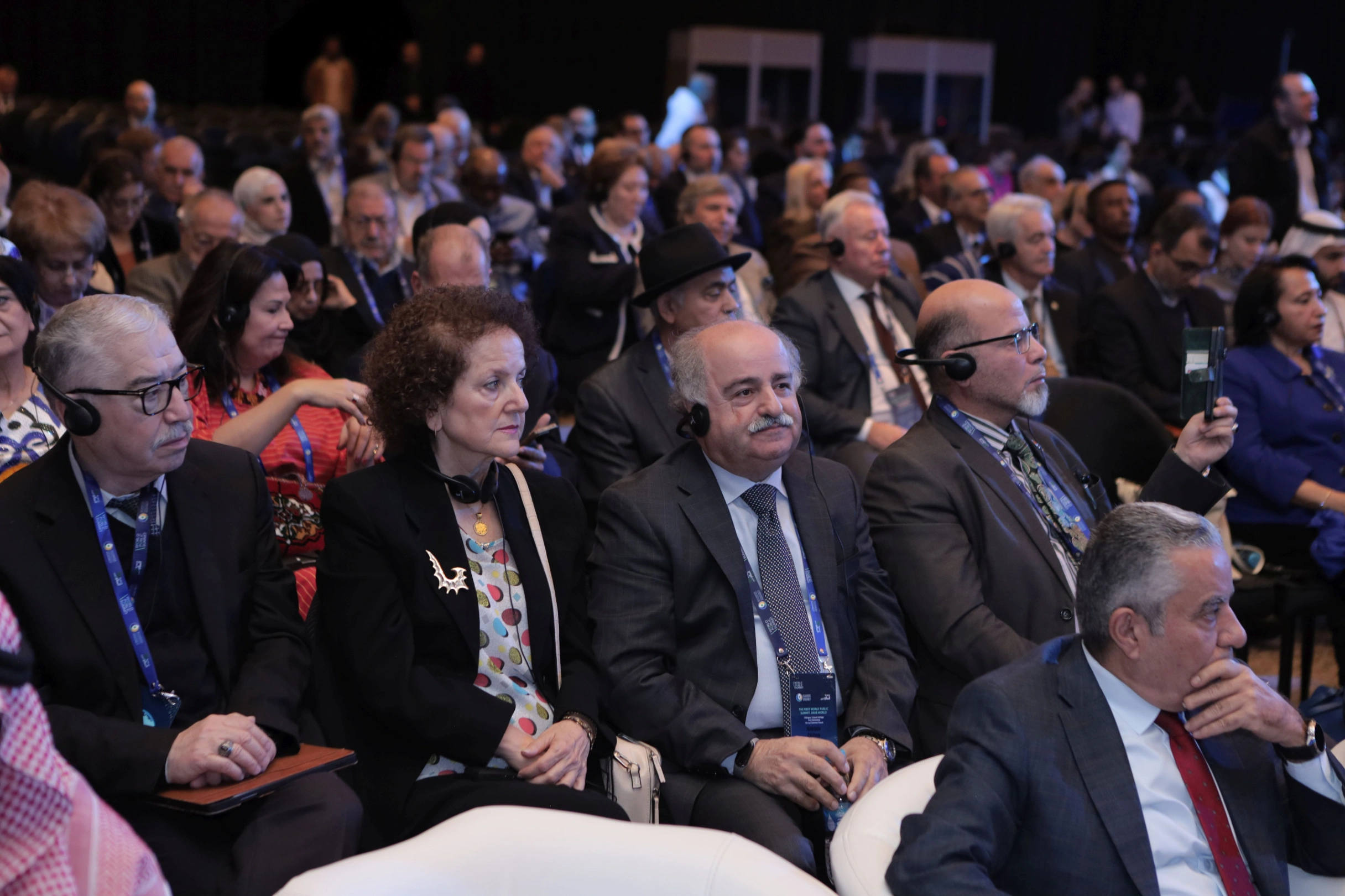
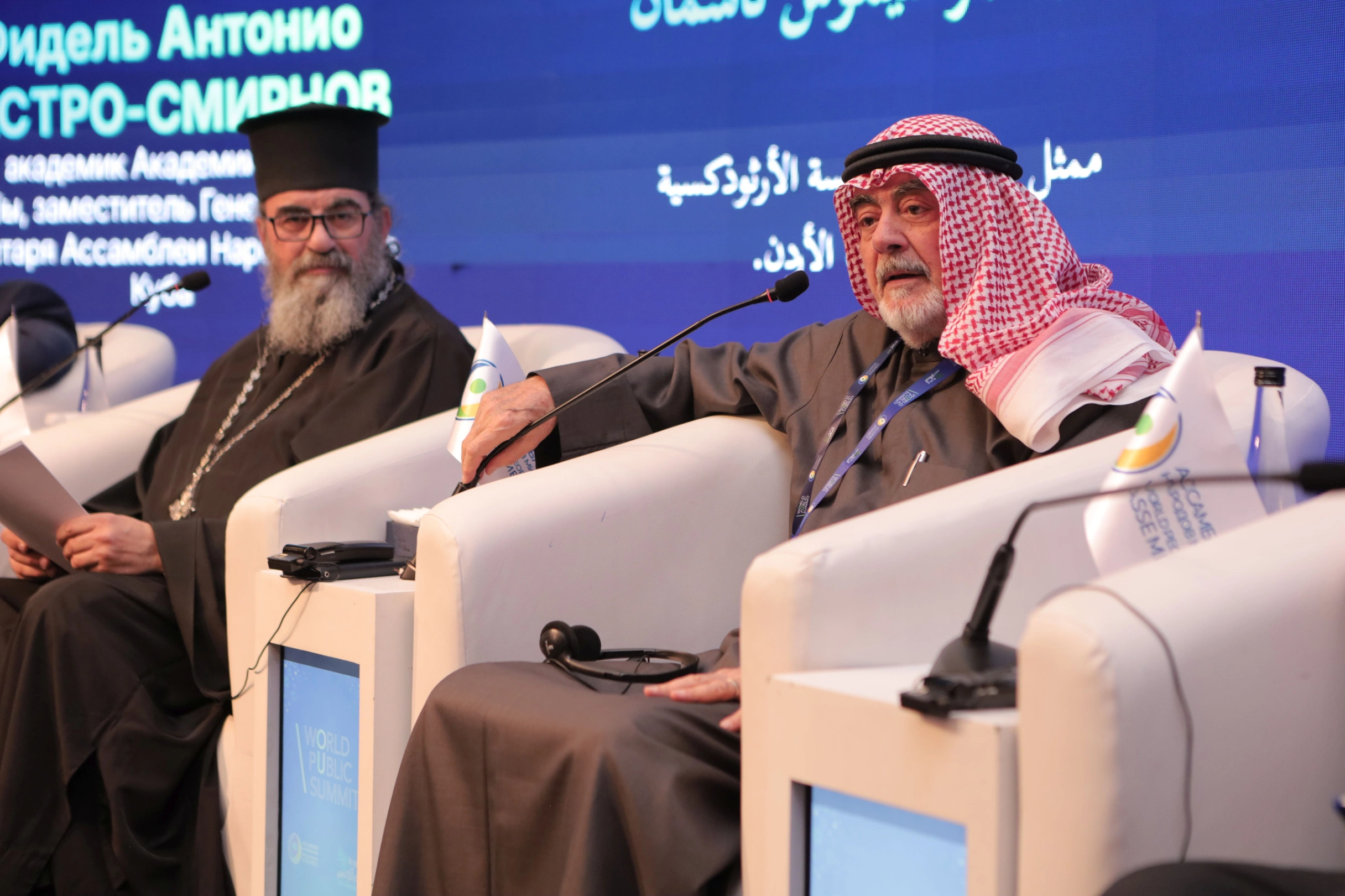
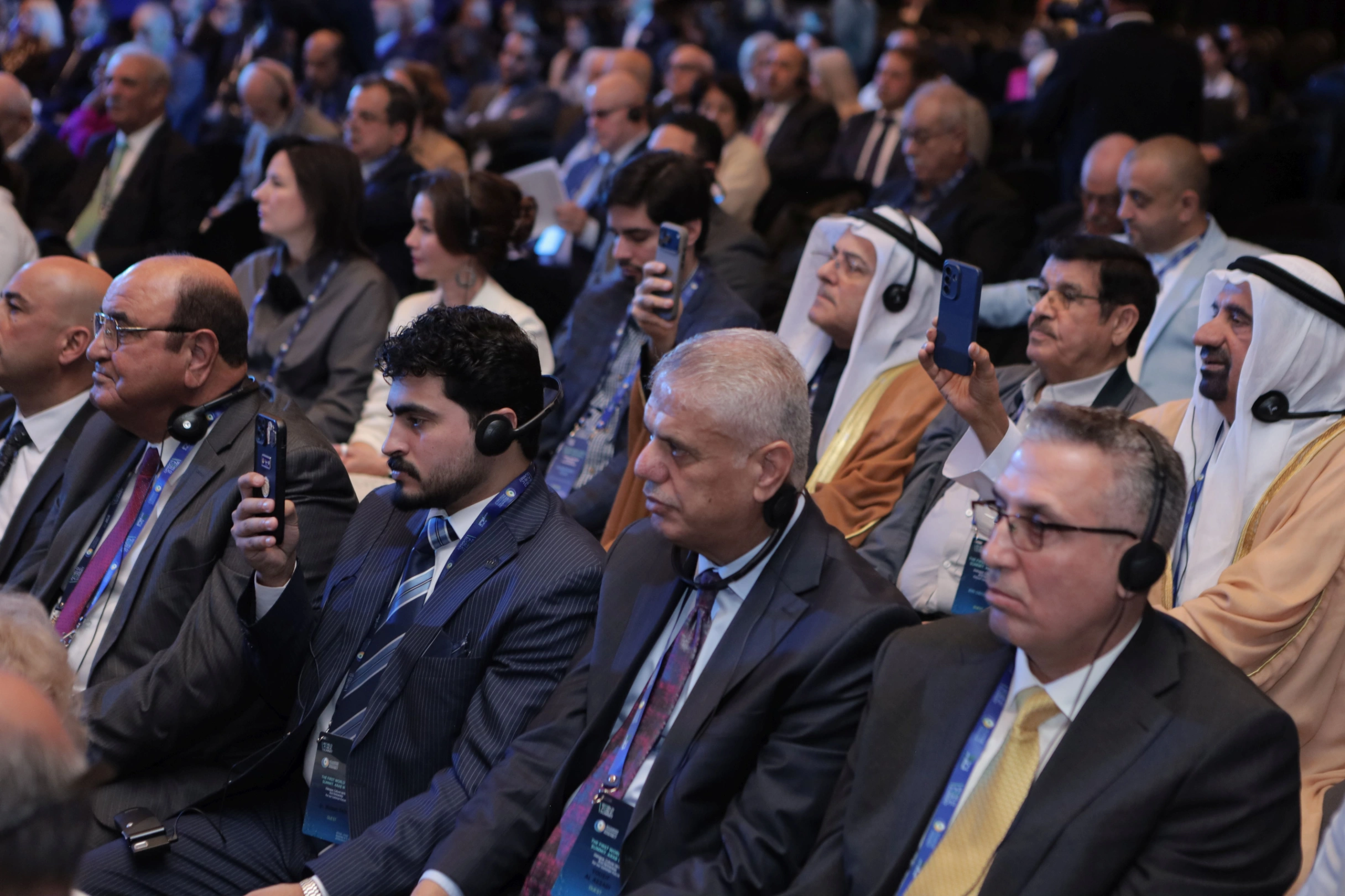
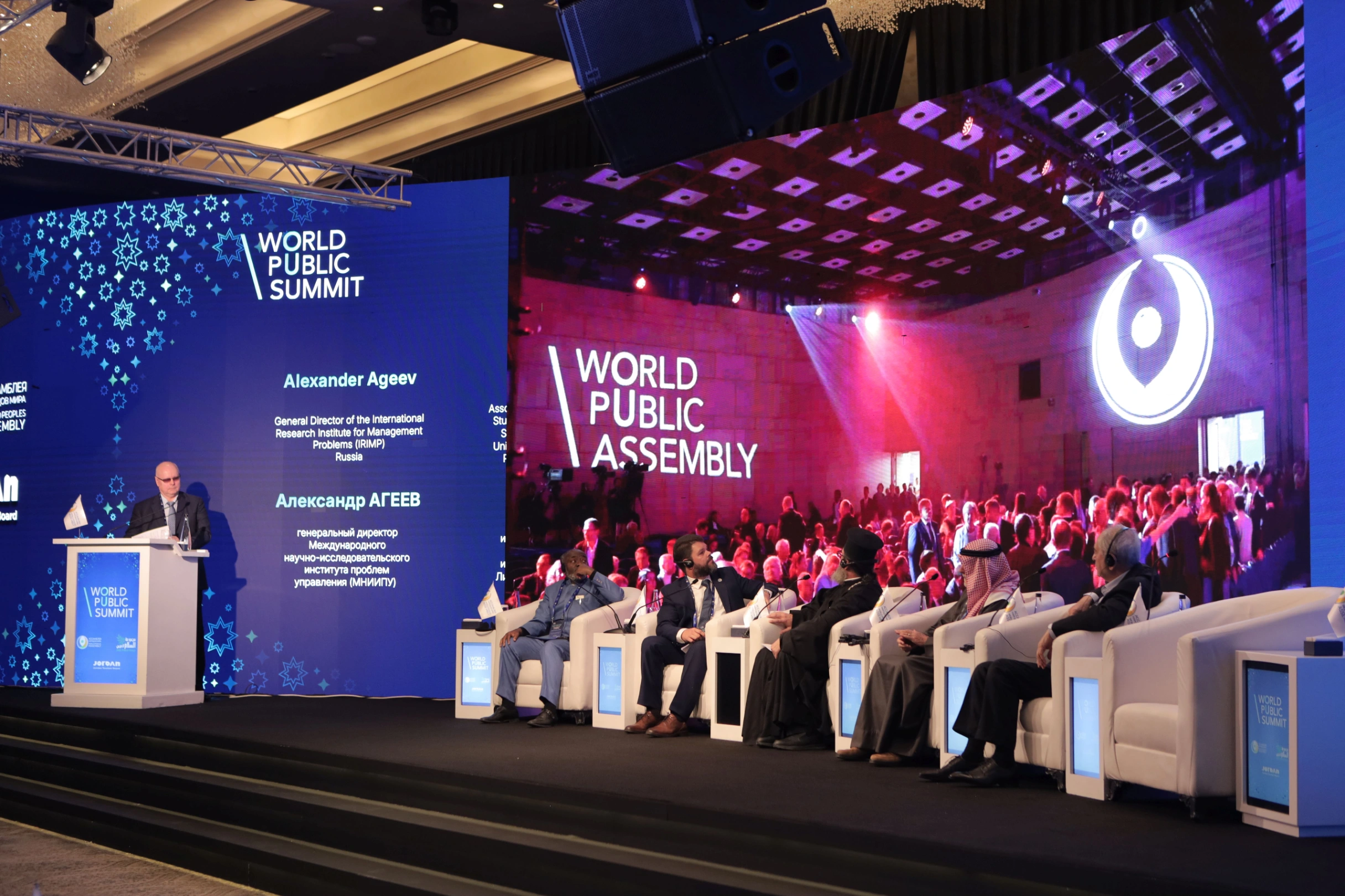
The First World Public Summit: Arab World "Dialogue, Cultural Heritage and Partnership for a Shared Future" was held on November 9 - 12, 2026 in Amman (Jordan). The event was organized by the World Peoples Assembly and the Arab Peace Group.
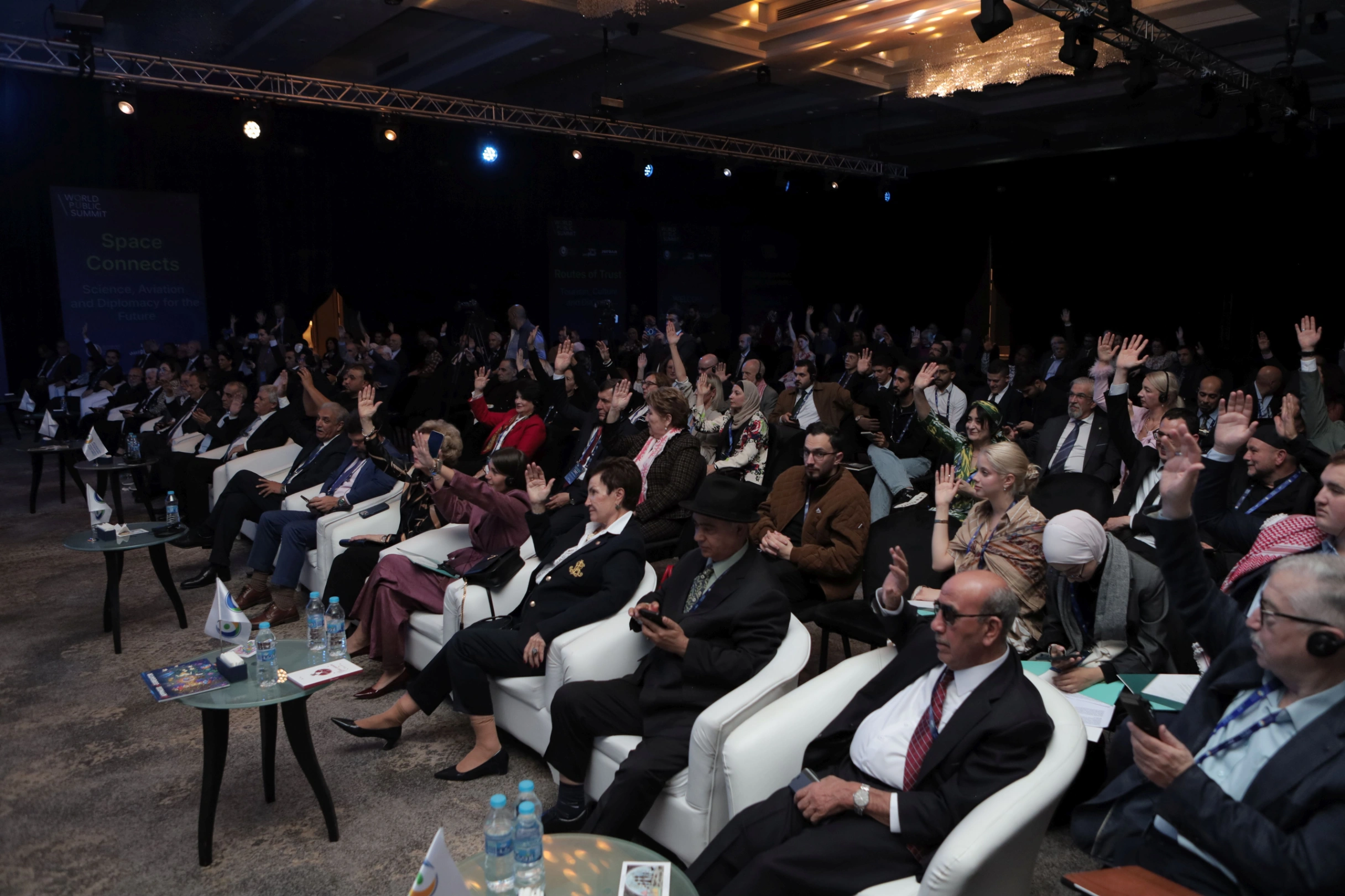
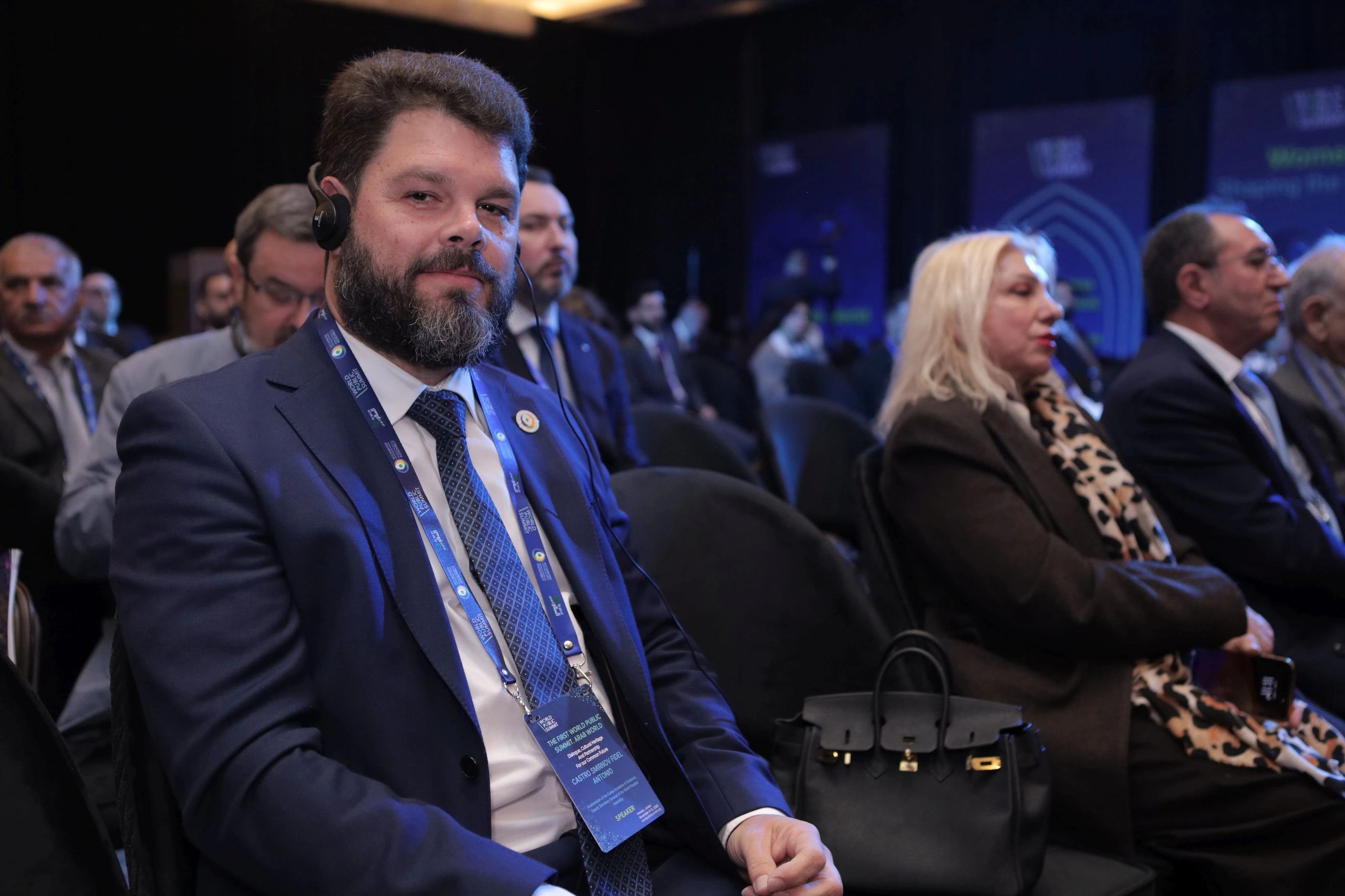
The public summit was held under the patronage of the President of the Senate of Jordan, Faisal Al-Fayez, and brought together over 1,500 participants from 54 states, becoming one of the largest international platforms for public diplomacy in the Arab World. The business program included more than 20 thematic sessions of various formats with the participation of 170 speakers from around the world. The agenda covered education and science, culture and tourism, family and youth, women's leadership, the economy of trust, media responsibility and the application of artificial intelligence.
Participants in the public summit - heads of representative offices and specialized councils, public leaders, youth and partners - took an active part in working on proposals to expand the international network of representative offices, enhance the role of the World Peoples Assembly in public diplomacy, develop joint programs and strengthen the community of public diplomacy leaders.
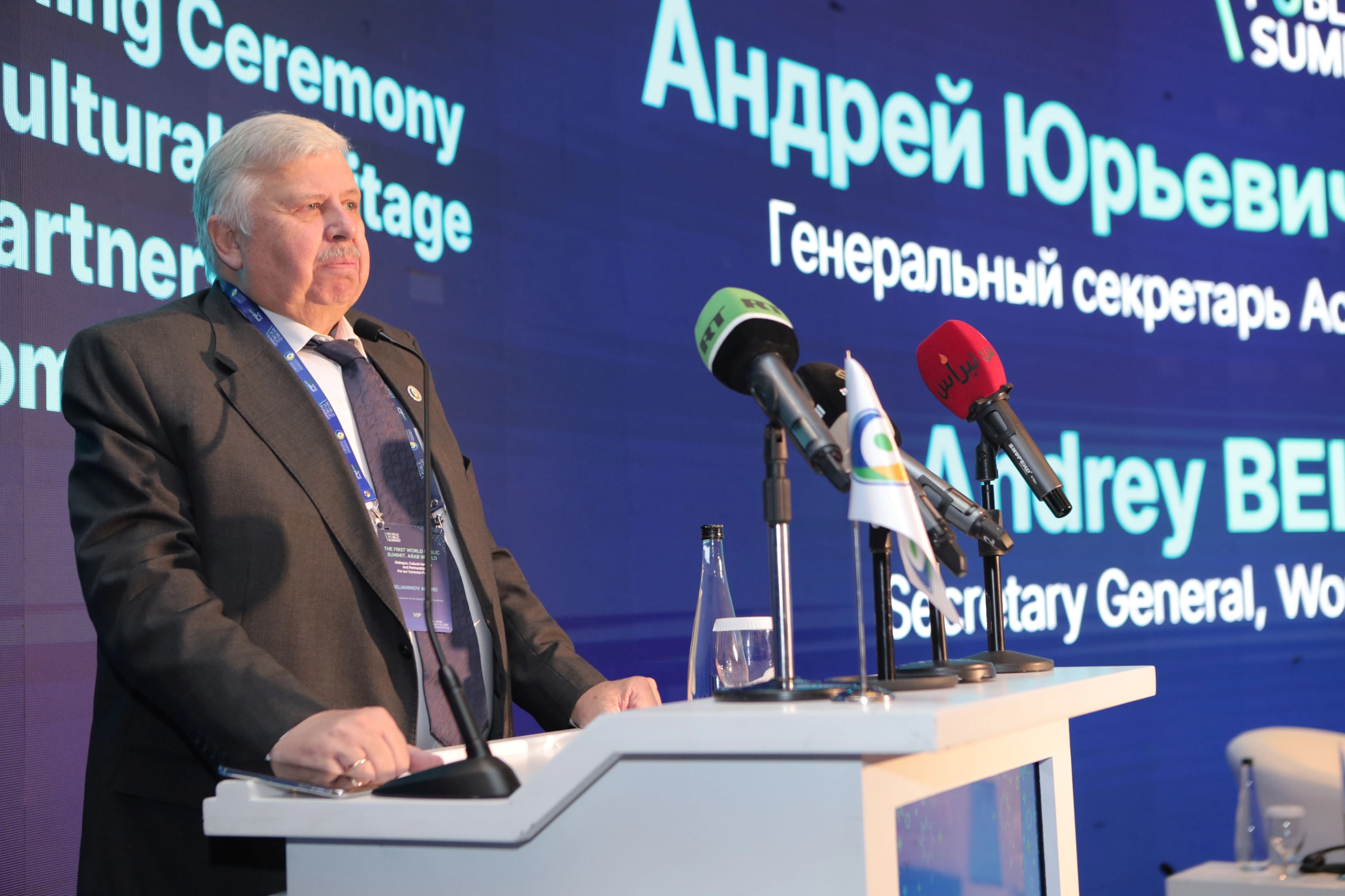
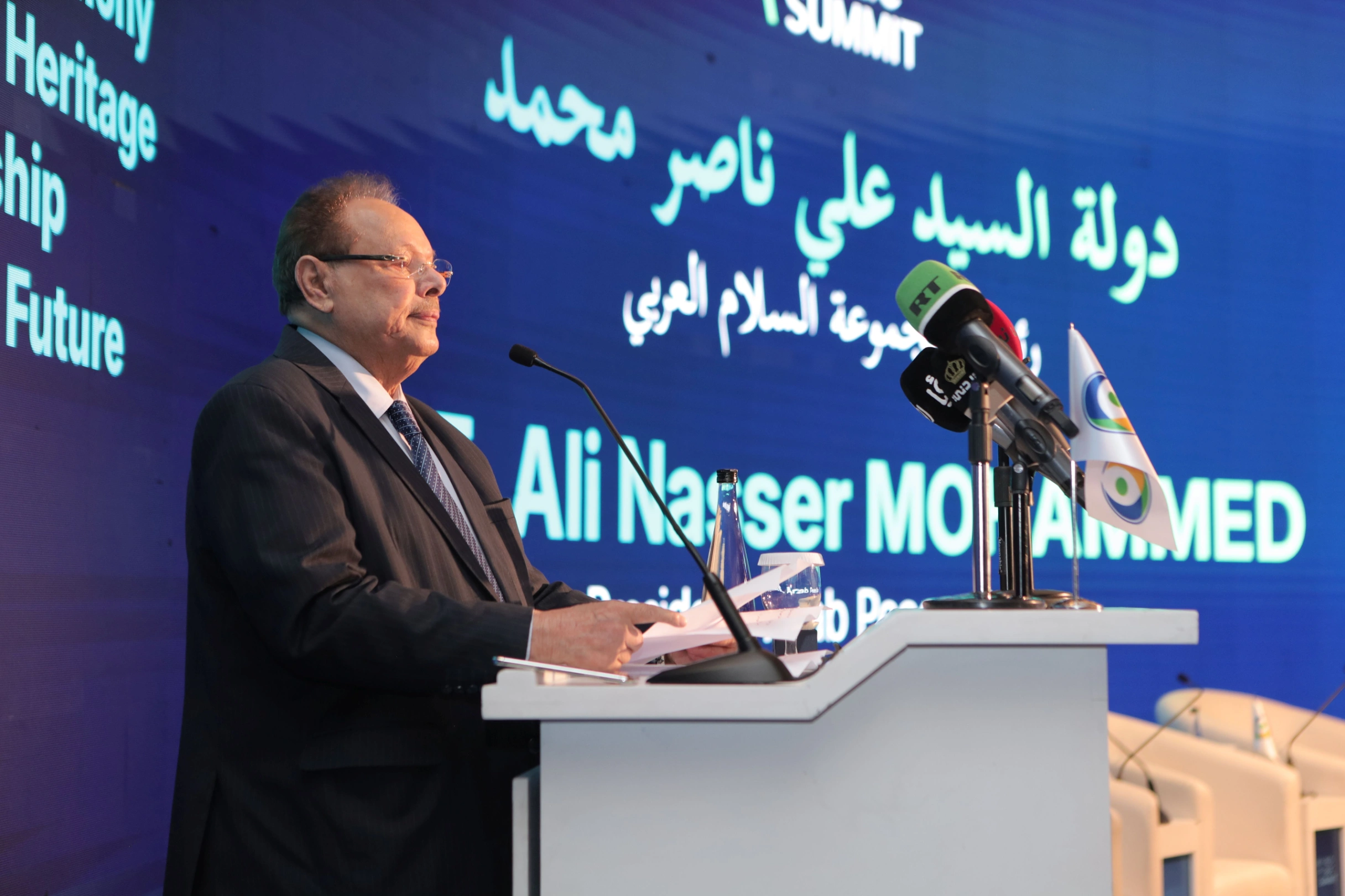
At the ceremonial opening of the Public Summit, the participants of the ceremony were addressed by the Secretary General of the World Peoples Assembly, Andrey Belyaninov, and the President of the Arab Peace Group, Ali Nasser Mohamed. They emphasized the common interest in developing direct interaction between public organizations and professional communities of the Arab World with partners from other regions.
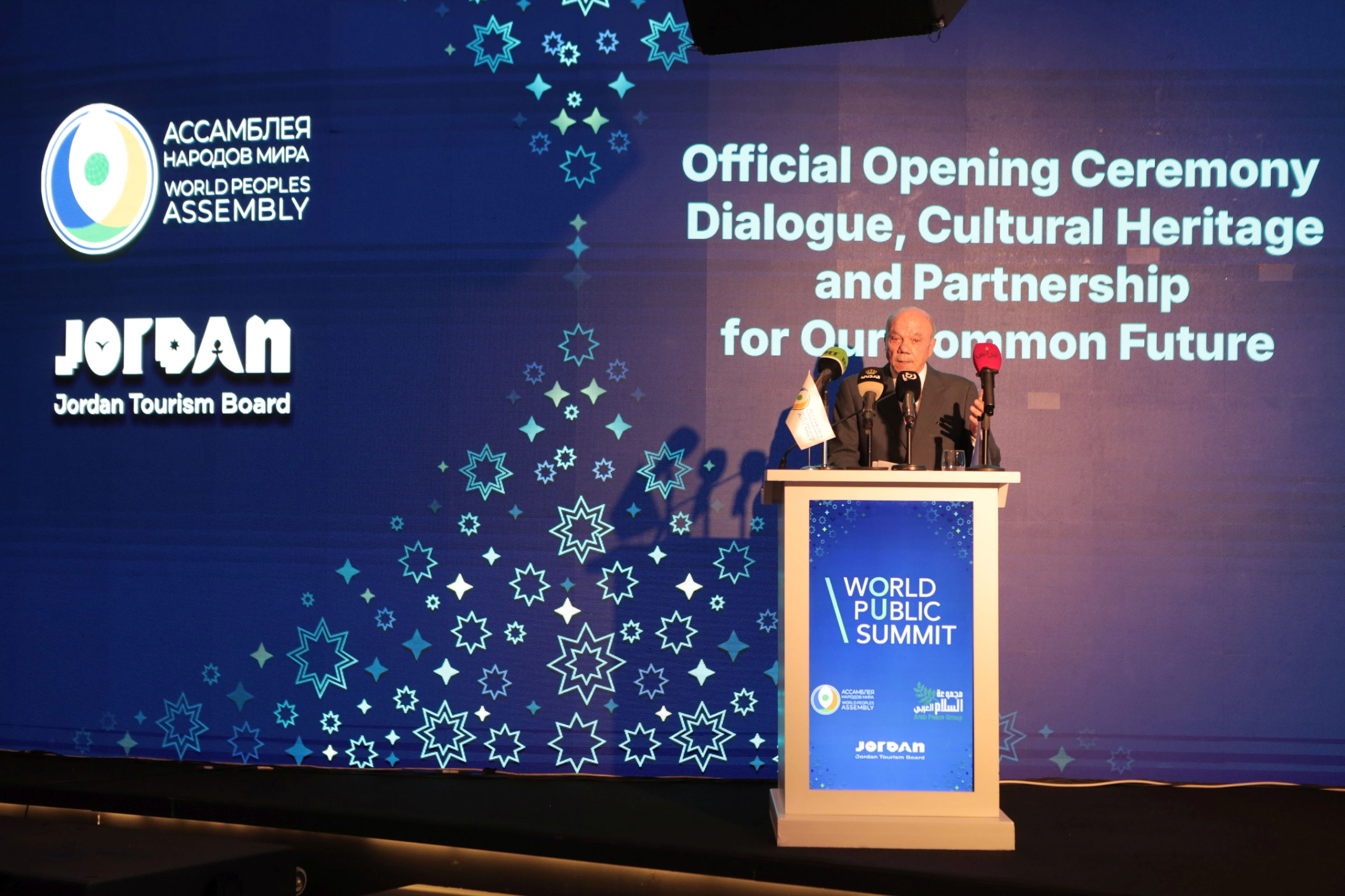
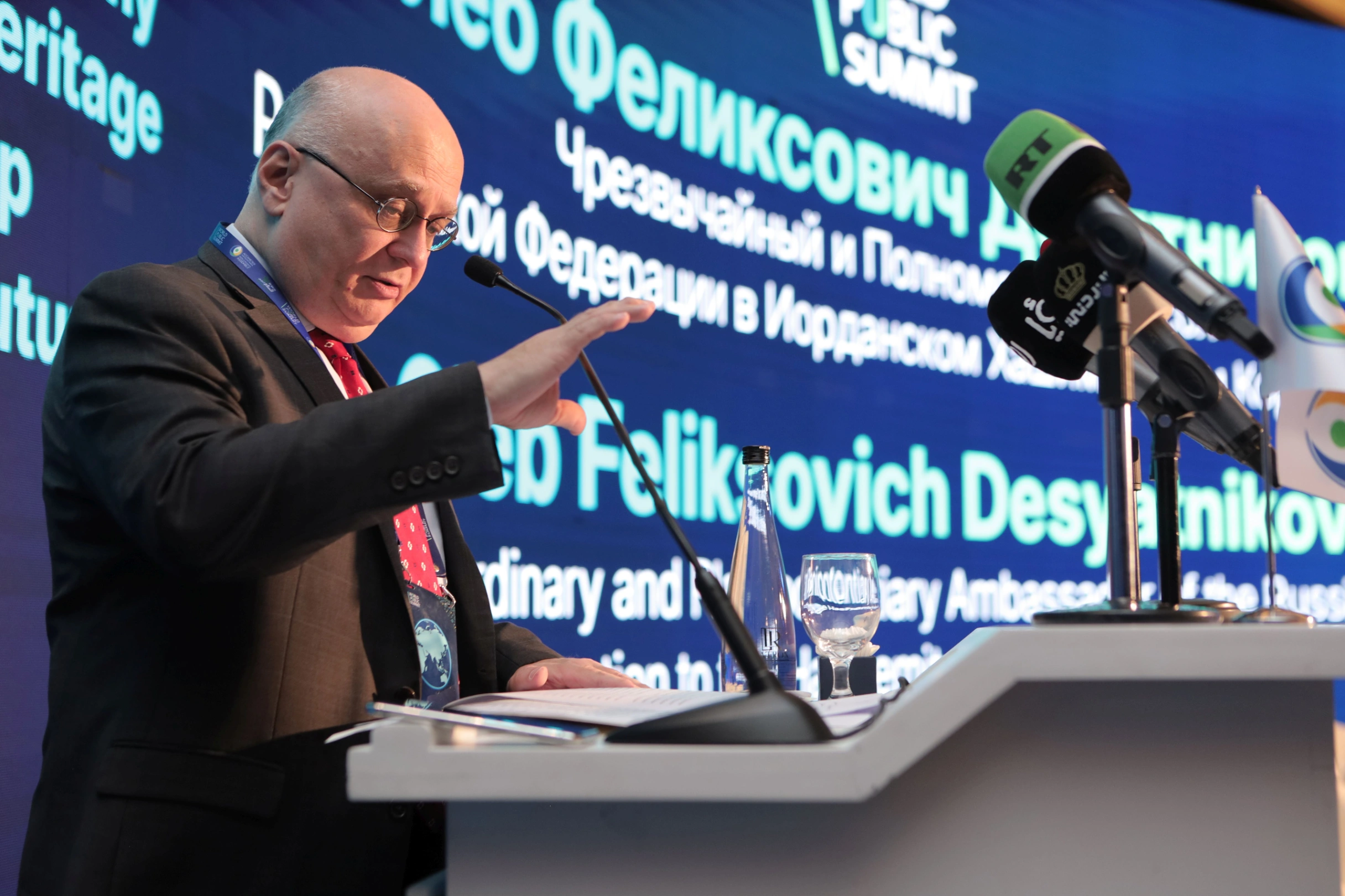
The ceremony was also attended by the President of the Senate of Jordan, Faisal Al-Fayez; Assistant Secretary General of the League of Arab States, Fayez Mustafa; Extraordinary and Plenipotentiary Ambassador of Russia to Jordan, Gleb Desyatnikov; pilot-cosmonaut, Hero of Russia, Oleg Skripochka, and others.
The program continued with the main plenary session, "The Arab World: Uniting Heritage and the Future." It set the strategic framework for the public summit, presenting different civilizational and generational perspectives on the possibilities for dialogue and cooperation. Experts outlined the key agenda of the meeting, noting that the centuries-old experience of the Arab World in intercultural interaction, the development of science and the maintenance of social solidarity has enormous potential for addressing contemporary global challenges – from educating youth to strengthening trust between countries.
Expert Dialogue: Key Discussions, Strategic and Project Sessions
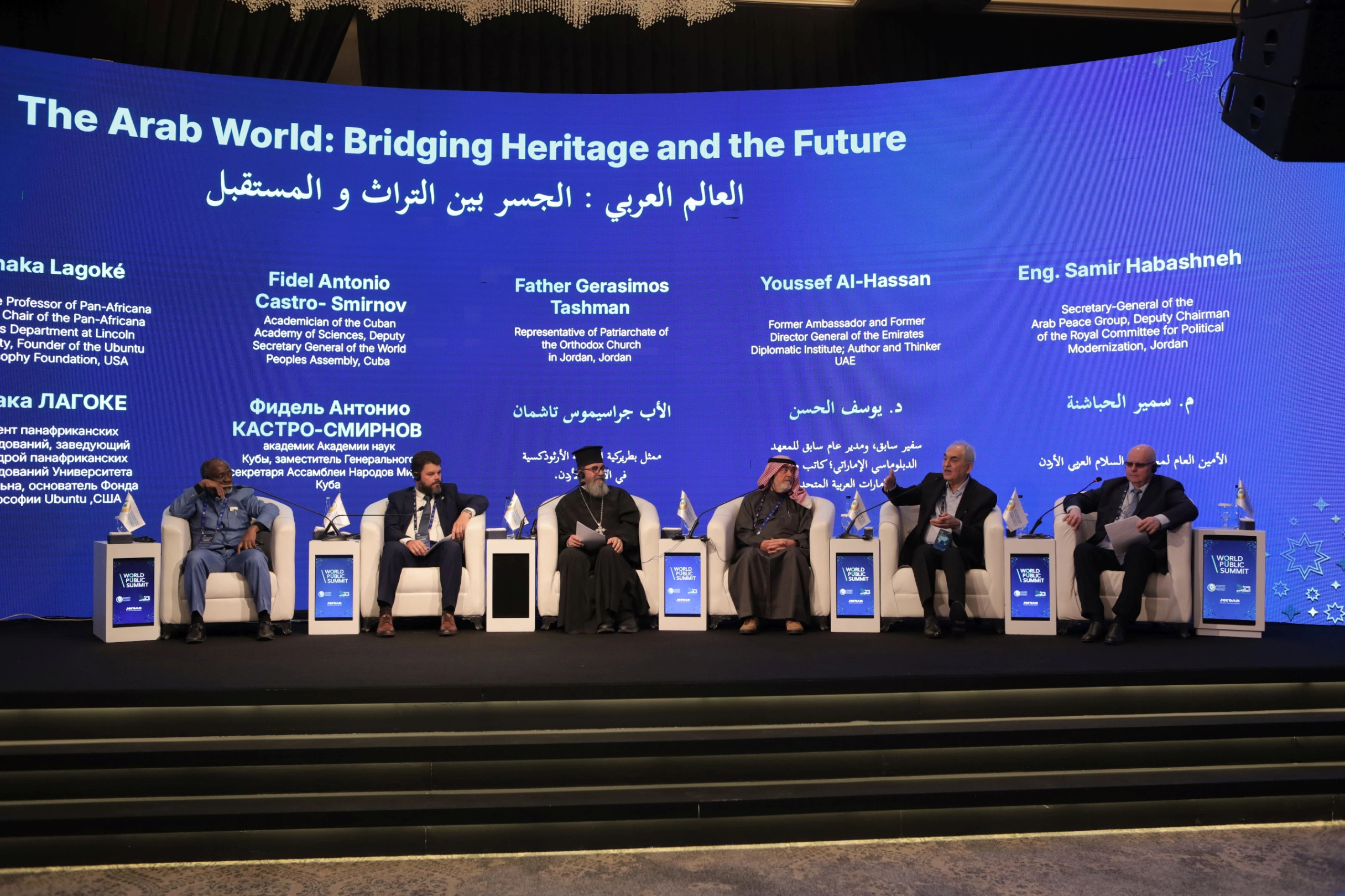
Within the framework of the public summit, an extensive expert program was held, including round tables, panel discussions and project sessions.
Round table "The Holy Land and the Arab World: Spiritual Heritage as a Space for Dialogue": speakers outlined joint projects in the field of humanitarian aid, protection of traditional values and peacemaking.
Panel discussion "Generation of Unity: From Knowledge to Joint Initiatives": the focus was on the development of youth cooperation, the exchange of successful practices and the creation of new international projects.
Round table "NGOs, Volunteering and Charity in the Countries of the Arab World": experts analyzed the role of the non-profit sector in the socio-economic development of the region and assessed contemporary approaches to measuring its social contribution.
Strategic project session "World Peoples Assembly: Image of the Future": the key outcome of the work was the formation of a strategic vision for the organization's development up to 2030, including new formats of interaction and concrete steps for the coming years.
International pitch session "Presentation of Projects by the Leaders of Public Diplomacy ": the authors of initiatives presented their work, exchanged experience and found points of contact with representatives of cultural, educational and public institutions.
Panel session "Public Diplomacy in Action: From Dialogue to International Partnership": participants revealed the potential of civil society institutions in creating sustainable international ties that go beyond official forums.
Panel session of the Scientific and Expert Council of the World Peoples Assembly "From Vision and Initiatives to Joint Programs and Projects": experts focused on the practical implementation of the report "17+: Global Initiatives," the formation of a regional community of the Council in the Arab World and the search for new niches for cooperation.
Panel session "Science Diplomacy: New Formats of International Educational Cooperation": the parties examined effective models of partnership involving the academic community, international organizations and government structures.
Panel session "Culture as the Language of Trust": speakers emphasized that, with all the diversity of forms, culture always relies on common moral foundations - respect for life, reverence for ancestors, the striving for justice and beauty.
Panel session "Routes of Trust: Tourism, Culture and Dialogue": experts noted that tourism and travel create direct connections between people, open up the traditions of different peoples and form a solid foundation for international cooperation.
Panel session "The Economy of Trust: New Models of International Partnership": the focus was on practical mechanisms for strengthening trust in business relations, developing the investment climate and finding resources for joint projects.
Panel session "The Family as the Foundation of Global Happiness": participants examined why the family remains a reliable support for global well-being and identified the key challenges that families around the world face today.
Panel session "Space Unites: Science, Aviation and the Diplomacy of the Future": speakers touched upon global security, strengthening trust, developing science and involving youth in large-scale international projects.
Project session "Women Creating the Future": experts presented the experience of educational, entrepreneurial, cultural and humanitarian initiatives and concluded that modern women's leadership should not compete with men, but rather seek new ways of synergistic influence on social processes and humanitarian initiatives.
Panel session "A Just World Between Peoples and Coexistence": the agenda included factors for strengthening mutual understanding, the right to self-determination as a basis for conflict resolution, as well as threats to global security associated with ignoring the Palestinian problem.
Panel session of the Media Club of the World Peoples Assembly "New Media and Artificial Intelligence: Technologies, Values, Responsibility": journalists, bloggers and experts discussed trust in information, the responsibility of authors and the application of new technologies. For the World Peoples Assembly, the continuation of this work will be the development of the international media community and the expansion of cooperation between editorial offices and authors.
Living Diplomacy: Cultural Initiatives and Special Projects
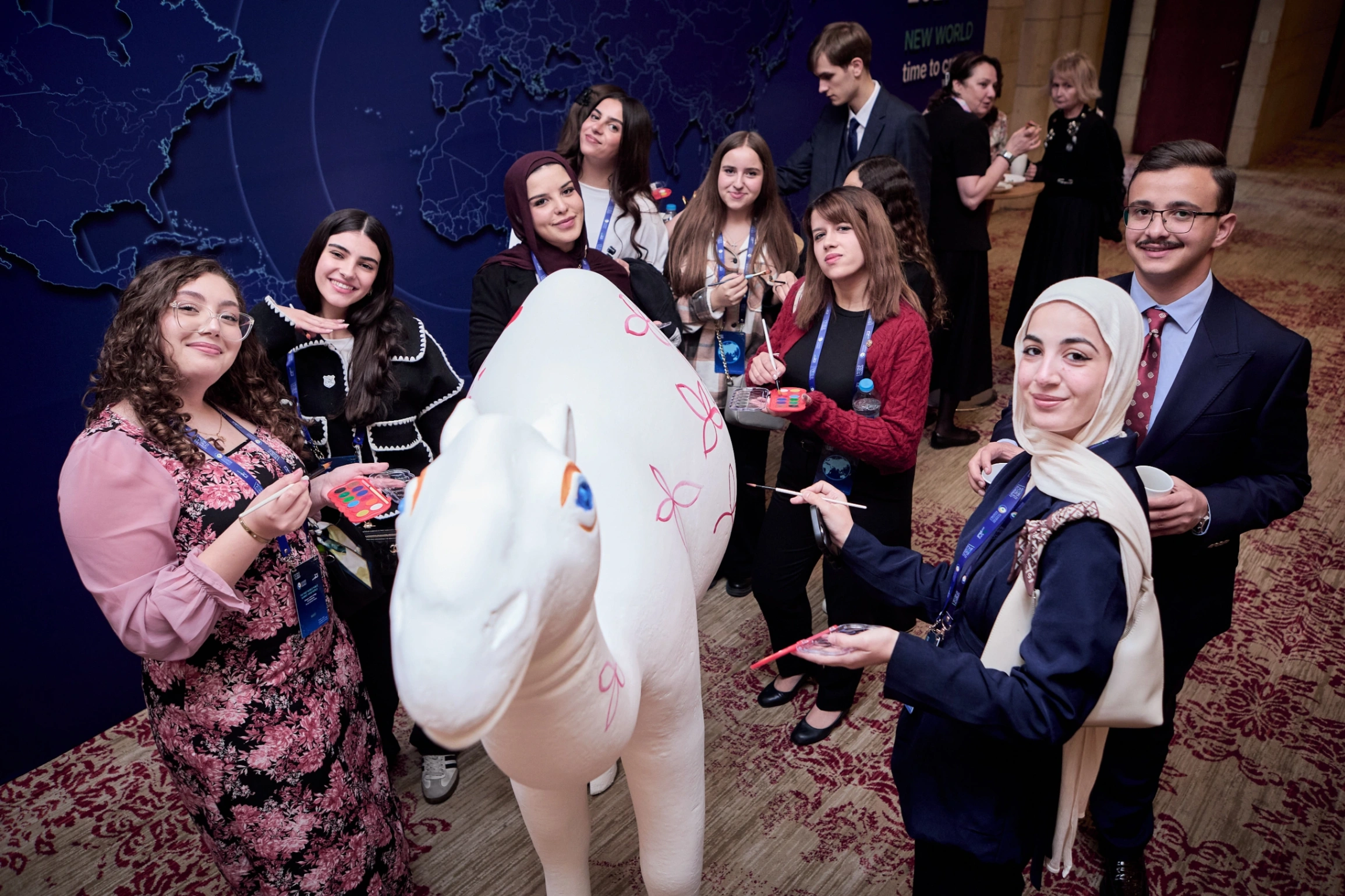
In addition to panel sessions, the public summit became a platform for vibrant cultural, creative and humanitarian initiatives – from poetry evenings and gastronomic diplomacy to youth debates and international actions.
Visit to Bethany - the place of the Baptism of Jesus Christ.
Presentation of the poetry collection "Memory": the book by the co-chair of the Supreme Advisory Council of the World Peoples Assembly, member of the Russian State Commission for UNESCO, UNESCO Goodwill Ambassador Alexandra Ochirova, published in Russian, Arabic and English, confirmed the main mission of the World Peoples Assembly - to unite people through common spiritual values and the creative power of the word.
Literary lounge of the World Organization of Writers (WOW): the discussion "Creating the Image of the Future Human in Literature" became a platform for intercultural dialogue. The Gold Medal for Contribution to the Development of World Literature was awarded to Palestinian poet and public figure Yanan Awwad.
Creative action "The World Draws Happiness": at the suggestion of the Official Secretary of the World Peoples Assembly, Alyona Dolgopolova, diplomats, public figures and youth from different countries painted a snow-white camel sculpture with a unique ornament and the main word of the composition - "Happiness" - written in many languages.
International action "Letters of Happiness": originally conceived as a warm personal message, the action turned into a full-fledged instrument of public diplomacy. More than three thousand postcards with drawings from 44 countries and fragments of the "Belt of Peace" flew around the world.
Presentation of the English-language issue of the magazine "Happiness Aggregator": partners of the World Peoples Assembly from Ghana, Zambia, Ethiopia and other states expressed their readiness to distribute the publication in their countries.
Gastronomic diplomacy: The World Peoples Assembly and the Jordanian Chefs Association signed a cooperation agreement, and as a continuation of the project "From Meal to Accord," a gastro-dinner and master class were held by Russian chef Dmitry Tabakov and his Jordanian colleague Khamis Qwaider on preparing the national dish mansaf.
International youth debates "Artificial Intelligence: Between Opportunities and Challenges": young leaders examined the phenomenon of AI from different perspectives and confirmed the readiness of the new generation to take responsibility for ensuring that technologies serve humanistic ideals rather than replace them.
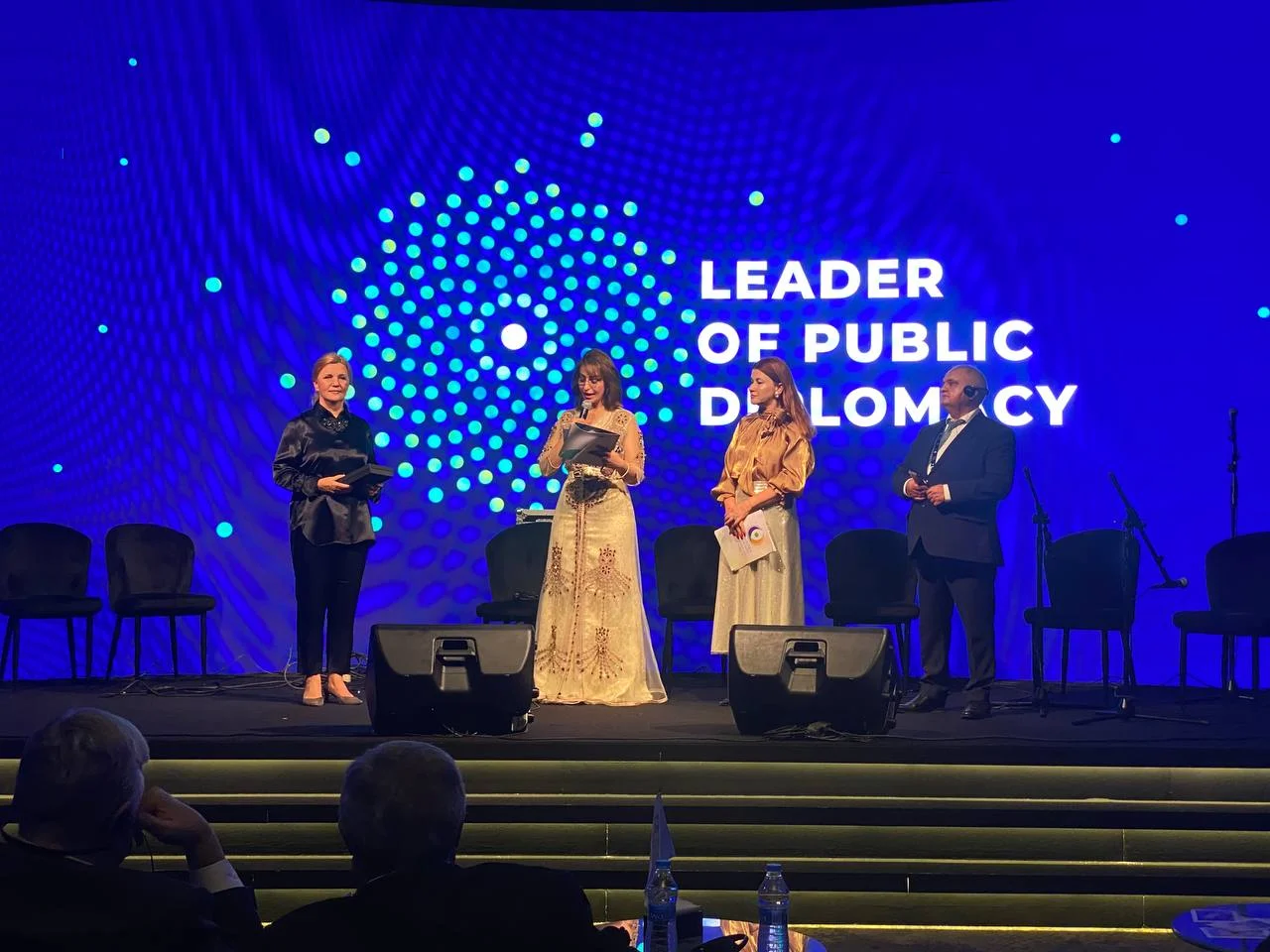
Launch of the VI International Competition "Leader of Public Diplomacy": applications will be accepted from 11 November 2026 to 20 January 2027. The competition covers 17 nominations, each representing a separate area of creative activity that unites people through common values.
Trip to Petra: a large international delegation of public summit participants visited the famous archaeological site located in the desert in southwestern Jordan - one of the New Seven Wonders of the World and a UNESCO World Heritage Site. This became an important reminder for those present that heritage retains its significance thanks to people who study it, care for it and pass it on to future generations.
Space as a Language of Dialogue: Educational Programs and Meetings
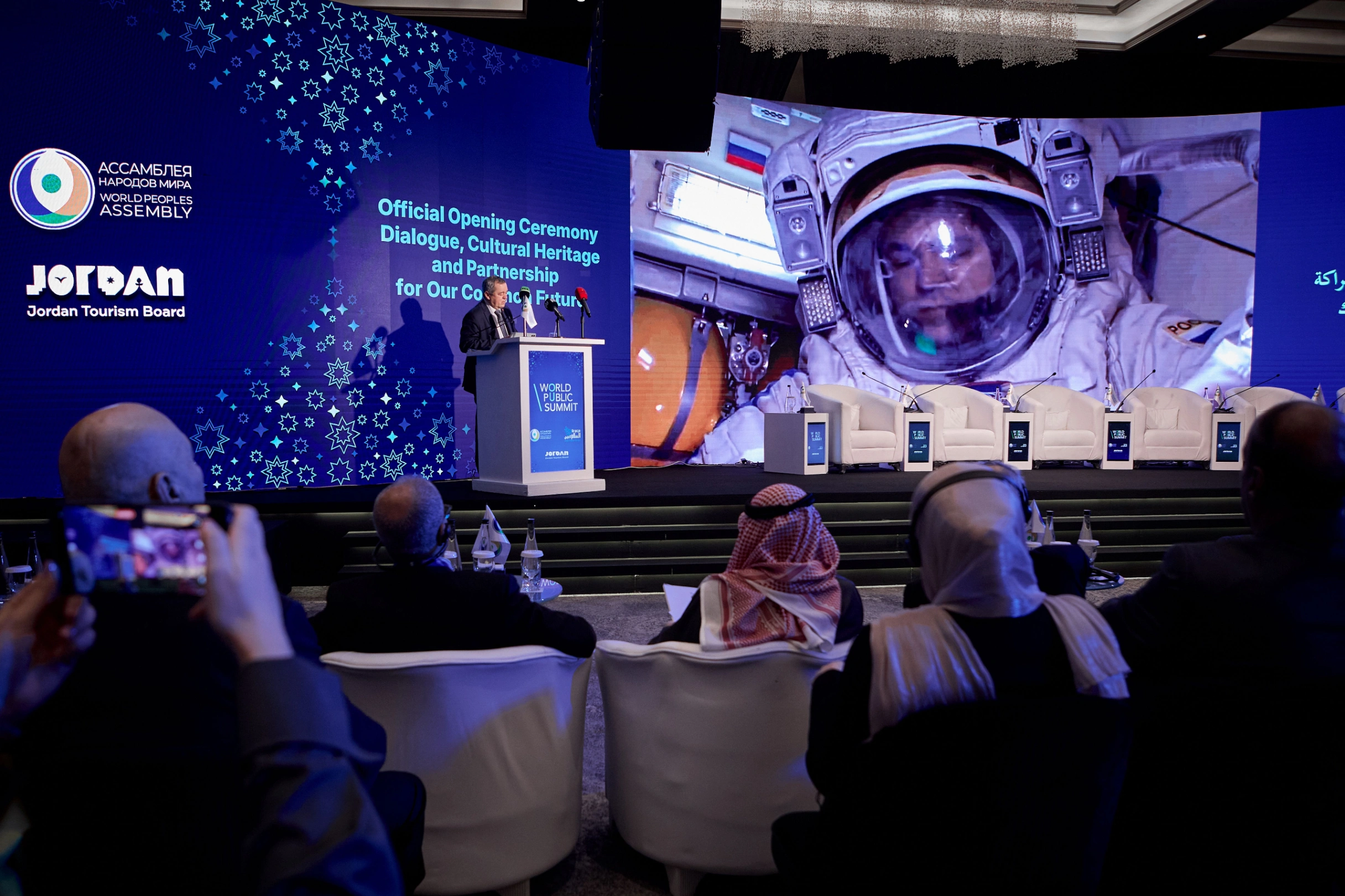
Within the framework of the public summit, a series of meetings and educational programs in the field of space diplomacy brought together scientists, students and schoolchildren.
Pilot-cosmonaut Oleg Skripochka met with schoolchildren from one of the oldest educational institutions in Amman and spoke about work on the International Space Station, preparation for flight, team responsibility and cooperation between crews from different countries.
Public summit participants visited the King's Academy observatory and met with Dr. Ammar Saqaji, head of the Jordanian Astronomical Society.
The international team of the Unity Foundation conducted an extensive program at Princess Sumaya University for Technology. On World Science Day, experts presented the space industry to students from various angles: crewed spaceflight, humanitarian projects, space medicine, engineering and scientific technologies. The event was attended by 350 students and teachers. The university was presented with a series of artworks from the International Art Project "Angels of Peace".
Business Agenda: A Series of Bilateral Meetings
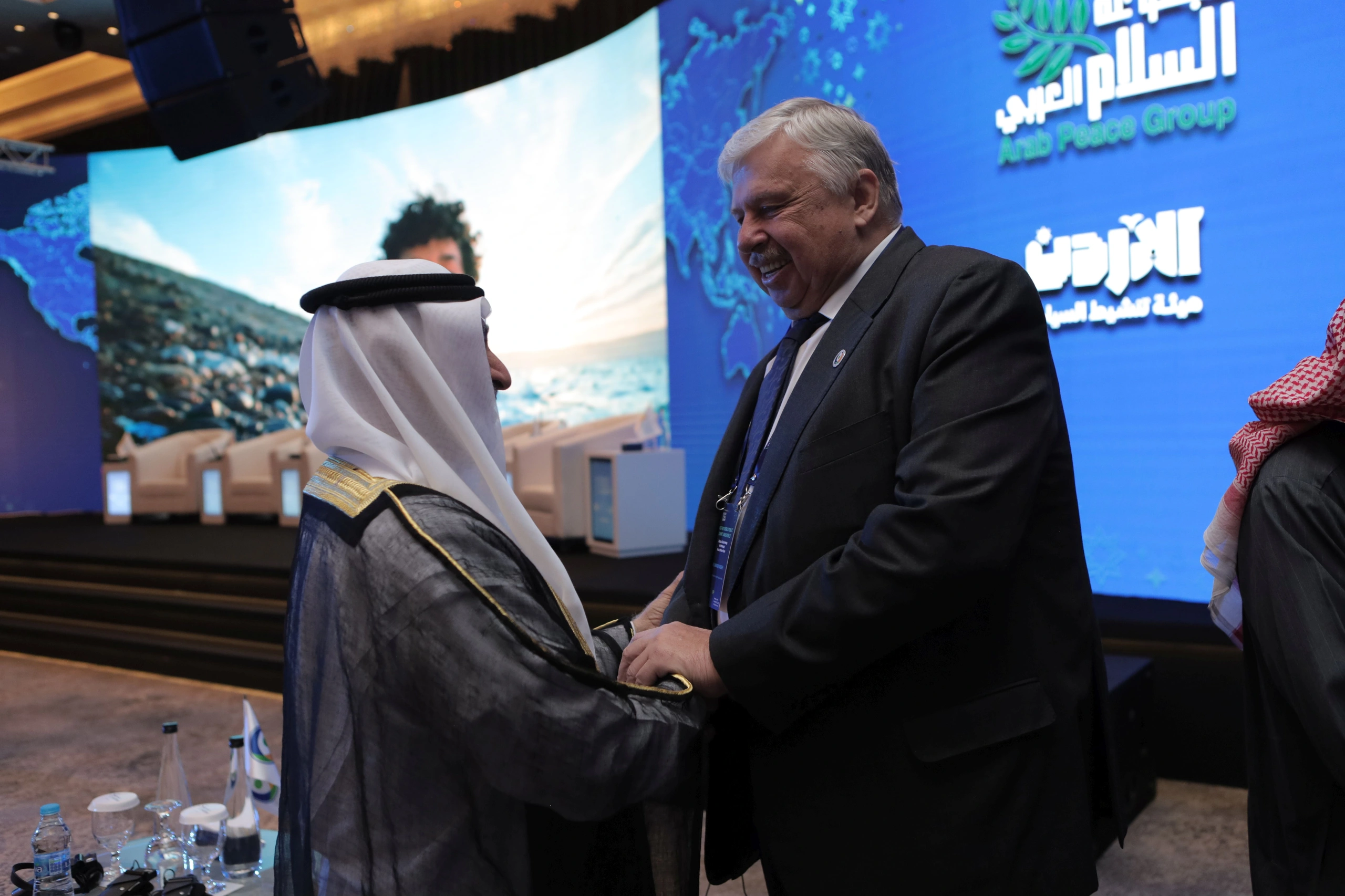
Within the framework of the First World Public Summit: Arab World, a series of strategic negotiations took place dedicated to strengthening international ties and developing joint initiatives. The delegation of the World Peoples Assembly was led by Secretary General Andrey Belyaninov and Advisor to the Secretary General Yaser Allakham.
Meeting with Extraordinary and Plenipotentiary Ambassador of Russia to Jordan Gleb Desyatnikov: the parties confirmed mutual interest in further deepening international humanitarian cooperation.
Meeting with representatives of the Kuwaiti initiative "Women - Pioneers in Peace": experts touched upon gender leadership, noting the key role of women in strengthening global dialogue and peacemaking processes.
Meeting with representatives of Al-Quds University and its rector Yusuf Ali Al-Asadi (Republic of Iraq, Basra): the negotiations focused on the development of international sports cooperation, the popularization of family sports, as well as the expansion of academic exchanges.
Meeting with the head of the Royal Hashemite Court of Jordan, Yousef Hassan Al-Issawi: speakers outlined prospects for strengthening intercultural and interreligious dialogue, as well as bringing peoples closer together.
Meeting with the Speaker of the House of Representatives of the Parliament of Jordan, Ibrahim Al-Tarawneh: the central topic of the conversation was the preservation and promotion of the rich cultural heritage of the Arab region.
Meeting with the Minister of Culture of Jordan, Mustafa Rawashdeh: the head of the department emphasized strategic partnership and readiness to expand channels of interaction with international organizations.
Working session of heads of regional representative offices of the World Peoples Assembly: experts exchanged best practices in public diplomacy and identified vectors for interregional interaction for the future period.
From Dialogue to Action: New Partnerships and Handover of the Baton
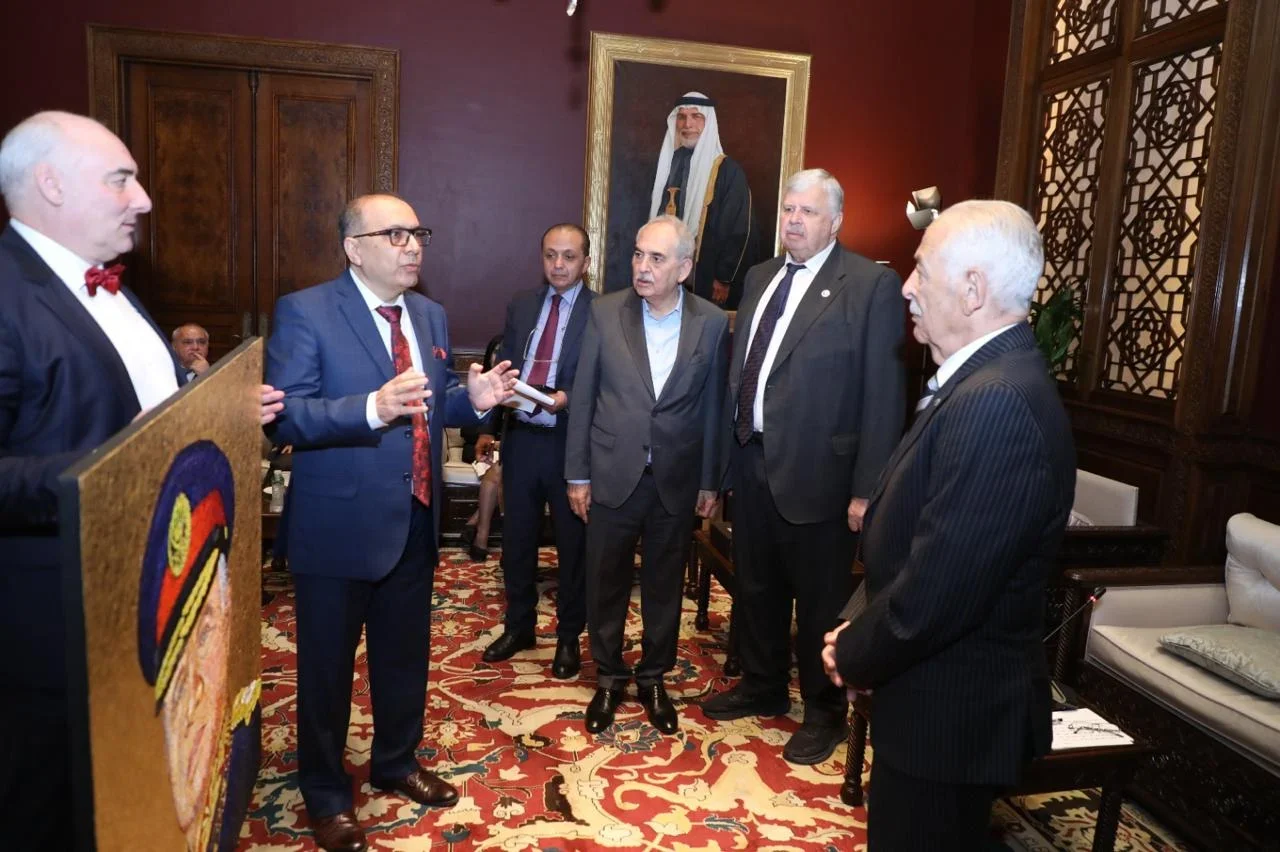
Following the results of the First World Public Summit: Arab World, the World Peoples Assembly concluded a number of strategic cooperation agreements with leading professional and public organizations. Among them:
Jordanian Chefs Association - represented by President Chef Faraj Al-Khata;
Literary Series "Silk Road" - represented by Editor-in-Chief Ashraf Eldali;
Al-Quds University - represented by Rector Yusuf Ali Abed Al-Asadi;
Jordanian-Iraqi Assembly - represented by President Dr. Shangul Qader;
Russian Union of Entrepreneurs - represented by Chairman Kirill Podgorny.
It is expected that the logical continuation of the agreements will be joint social and cultural programs, professional exchanges and large-scale initiatives. The new partnerships confirm the World Peoples Assembly's course towards creating a sustainable network of international dialogue, where cultural heritage and professional expertise serve as tools for achieving universal well-being.
At the final session "From Dialogue to Joint Action" Secretary General of the Assembly Andrey Belyaninov and Secretary General of the Arab Peace Group Samir Habashneh summarized the results of the work. The key events were the adoption of the Amman Cooperation Initiative, the presentation of the results of the strategic session "Assembly 10+10" and the launch of the VI International Competition "Leader of Public Diplomacy".
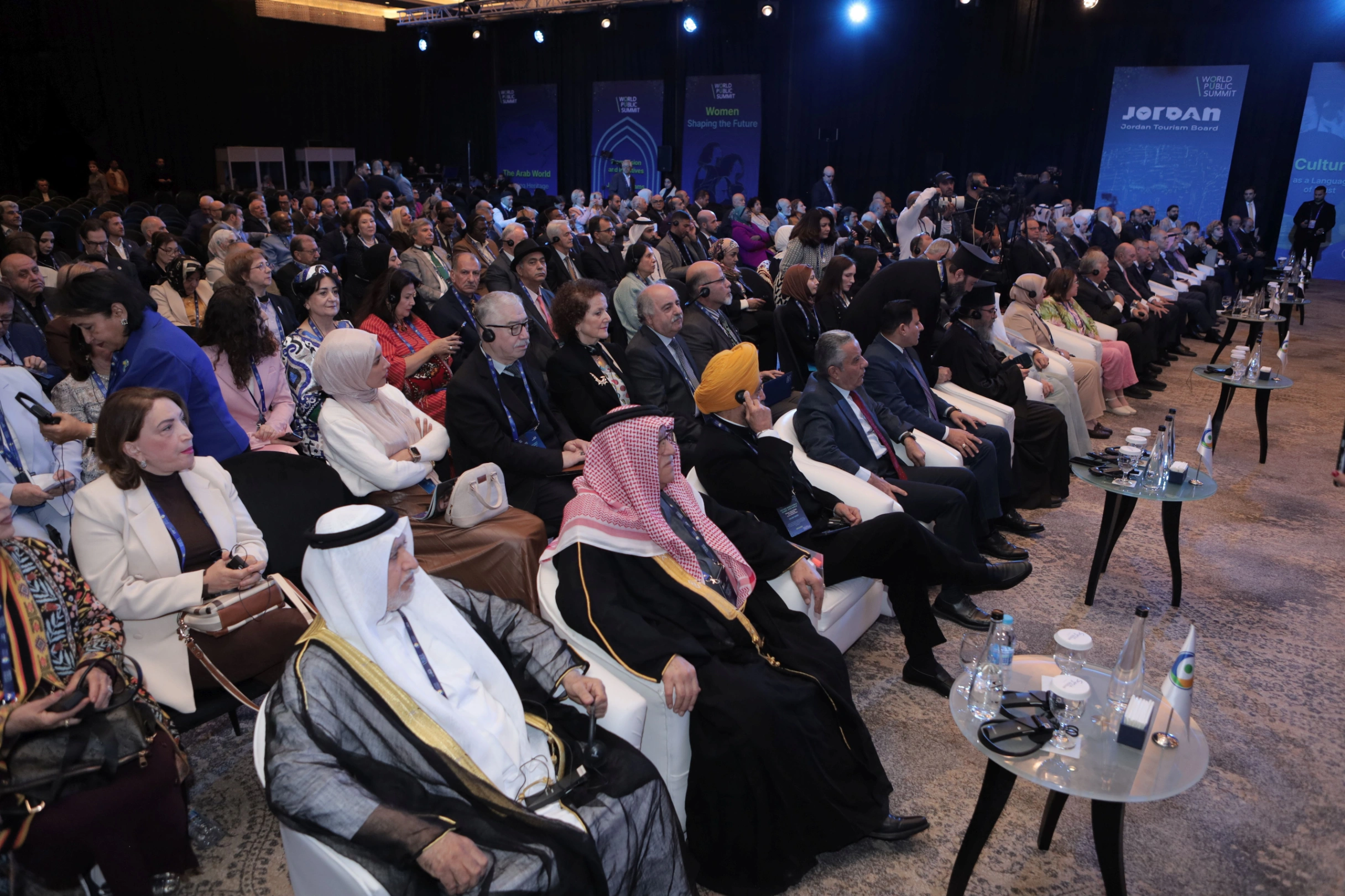
The Amman Cooperation Initiative consolidated the directions for further joint work: strengthening peace and trust, preserving cultural and spiritual heritage, developing education and science, supporting family and youth, and responsible business and media interaction. The document is open for accession by public organizations, universities, scientific and cultural institutions, youth and women's associations, business communities and other partners. The document will become part of the preparation for the Third World Public Assembly in Moscow, which will take place in 2027.
The meeting concluded with a ceremonial ceremony of handing over the symbol of the public summit from Jordan to Iraq. The Rector of Al-Quds University, Professor Yusuf Ali Al-Asadi, accepted the baton: in 2027, the Second World Public Summit: Arab World will be held in Iraq.
An important part of the international dialogue has concluded in Amman. Its continuation lies in projects that have yet to find partners, agreements that must be fulfilled, and human connections that participants will preserve after returning home.
Additional information is available on the official website of the World Peoples Assembly, on its VKontakte and Telegram accounts, and at media@world-assembly.org.
Photo archive provided by the Media Center of the World Peoples Assembly